
One of the key value proposition of the PX (Partner Experience) cloud for Cisco Partners is being able to develop, publish and monetise Service Accelerators. Service Accelerators are emerging type of professional services that are lifecycle oriented and are targeted to specific architecture, use case and pitstop. These are 1:1 engagements between the Cisco partner and the customer that are value based with specific set of outcomes. While traditional services can be converted as Service Accelerators, they most often do not align with the use cases and the associated technical outcomes. So understanding the customer technical outcomes of these use cases and build Service Accelerators that aligns to these customer outcomes becomes important. Currently PX Cloud supports over 17 use cases that are aligned to 5 architectures (campus network, data centre network, data centre compute, security and meraki)
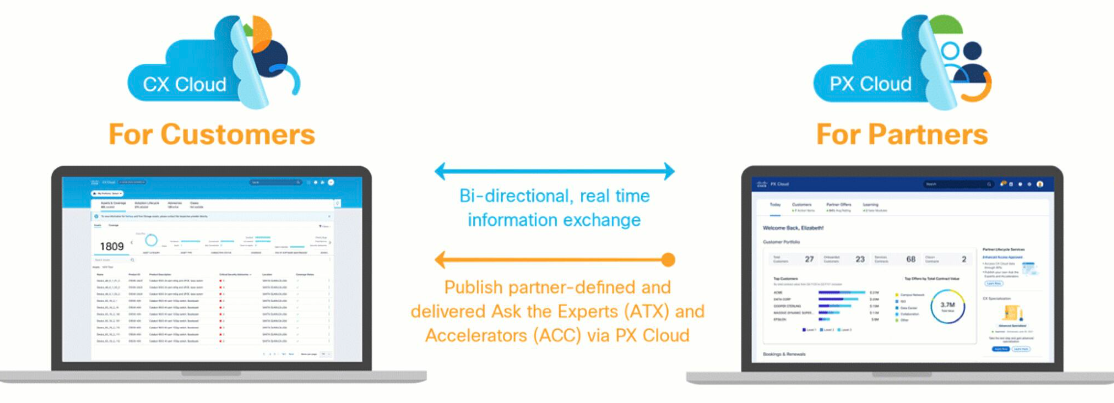
Before investing your time, money and resources in building Service Accelerators, it is very important to understand what your customer needs or pain points are. You need to understand the demand side before building supply side. Here are 3 strategies to consider
1. Incorporate Service Accelerators into Customer Success Plans
The Customer Success Plan captures business and technical outcome your customer is trying to achieve. Discussions about use cases and KPIs happens while building the Success Plan. Since every Service Accelerator is tied to a ‘well-defined’ customer technical outcome, your CSM/CSS/Architect team can incorporate these Accelerator services into the Customer Success Plans which gets developed way early in the Lifecycle. This is a sure shot that brings relevance to your Service Accelerators and ensures that it is consumed by your customers
2. Leverage Lifecycle Insights
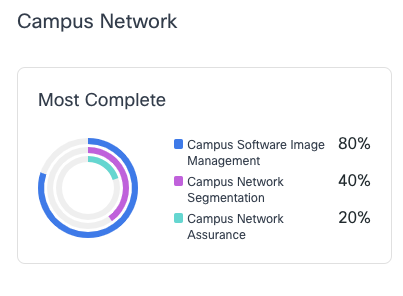
Lifecycle Insights about your customers architectures and use cases are visible through the PX and CX Cloud dashboard. This helps to understand at what lifecycle stage your customer is at, that helps you to build relevant Service Accelerators and publish them to your customer’s CX cloud. There are other Cisco tools like Cisco Lifecycle Advantage (LCA) that gives you deeper lifecycle insights like “days in lifecycle stage” for use cases, which helps you prioritise the build out of Service Accelerators


3. Build Service Accelerators in Emerging Technology Areas
Another approach is to pick trending solutions around Software Integration, Automation & Programmability, Observability, etc., then identify what you have in your existing portfolio and convert that into Service Accelerators. These are the areas that your customers most are most likely to invest in and have a great potential for consumption. Below is a simple chart that shows the various Service Accelerators types against the customer value linked to expansion and renewal opportunities

Creating value based Service Accelerators is easier said than done. It comes by practice. Partners not only need to think about their customers (IT and business owners) but the actual users who are using the technology on a daily basis who is actually driving the demand. But in the long run you can expect to monetise Service Accelerators through renewals and expansion opportunities.
The key to differentiation for Cisco partners is to build value based, relevant and timely Service Accelerators.
 5layer Solutions
Leave a comment